Climate Friendly Demo Gardens
Right below the mural and extending into the grounds at the Bancroft Resilience Hub are San Leandro 2050’s native plant and rain demo gardens. Installed in spring 2024 with hands-on help from the community, the gardens show how we can work with nature to create beautiful landscapes and at the same time ease the effects of a changing climate.
Learn how these gardens conserve water, prevent flooding, help with shade and cooling, build healthy soil, and provide essential habitat for pollinators and wildlife—and how you can create your own climate-friendly landscapes. If you want to be involved with ours, let us know!
The Rain Garden
_edited.jpg)
Making the Most of Water
When rain falls on parks, gardens, and other natural areas, it soaks into the soil, helping nourish plants and replenish groundwater. In cities like San Leandro, however, much of the land is covered by roads, rooftops, and parking lots that prevent water from soaking into the ground. Instead, rainwater washes over these hard surfaces as “runoff.”
To reduce the risk of flooding, we have storm drains designed to quickly move the excess rainwater to local creeks and the San Francisco Bay. But stormwater is not treated, so the runoff can carry litter, oil, and other pollutants directly into our waterways. At the same time, valuable water is lost instead of supporting urban trees and landscapes during increasingly hot and dry summers. As climate change brings more intense storms, the existing storm drain systems are also becoming more likely to overflow.
Rain gardens and other so-called “green infrastructure” help address these challenges by slowing the flow of rainwater during heavier downpours, filtering pollutants, and allowing more water to soak naturally into the ground. Rain garden plants play an important role as their roots create healthy soil that can capture and hold more rainwater.
The slides below show how we built the rain garden at Bancroft Resilience Hub. The San Leandro Times also ran a story about the project — read it here!

The Native Plant Garden

Supporting Healthy Soils and Wildlife
Many plants sold in mainstream garden centers are ornamental species from regions such as the Mediterranean, Asia, South Africa, and Australia. While often attractive and even drought-tolerant, these plants can require significant maintenance, irrigation, and garden chemicals, and they generally do little to support local wildlife.
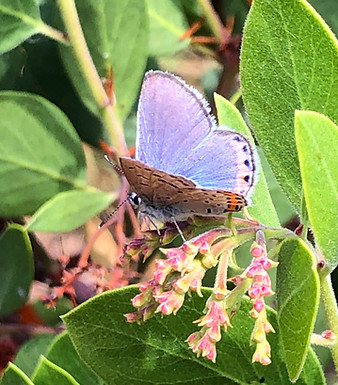
California native plants, by contrast, are adapted to local soils and climate conditions, making them easier to maintain and less susceptible to pests and diseases. Just as importantly, they have evolved alongside local insects over thousands of years. Many butterflies, bees, moths, and other pollinators depend on native plants for food and reproduction, and some can survive only on specific host plants. By gardening with California natives, we help provide the nectar, pollen, shelter, and breeding habitat that support healthy insect populations — and, in turn, birds and other wildlife.
Many native grasses, shrubs, and oak woodland plants also help with climate change. Their deep or extensive root systems help improve soil structure, retain moisture, reduce erosion, and store carbon underground.
How landscapes are maintained matters, too. In our demonstration garden, we work with natural cycles by leaving fallen leaves as mulch, reducing mowing and pruning, and allowing seed heads and flower stalks to remain seasonally in place. These practices help the soil retain moisture, support pollinators and birds, reduce waste, and build healthier soils over time.
The slides below show how we built the native plant garden and how it has evolved.
Resources for Building Your Own Climate-Friendly Garden

Building a rain garden at home
Unless your home’s gutters go underground, it is not hard to create a rain garden in your own yard. Check out these resources for hands-on guidance:
-
Rain Garden fact sheet (Alameda Countywide Clean Water Program)
-
“Tap Into the Rain” webinar recording (Alameda Countywide Clean Water Program)
-
“How to Build a Rain Garden” video (This Old House YouTube episode)
Gardening with California native plants
No matter if you convert your entire lawn to a native plant garden, or add California natives to an existing garden over time, here are some resources to help you:
-
Homegrown Habitats San Leandro—local community group promoting native plant gardening with events, plant/seed give-aways, a Google Group, webpage with resources, and more.
-
CalScape—searchable database of California native plants for the garden, landscaping tips, local nurseries, etc.
-
Bringing Back the Natives—annual tour of native plant gardens in the East Bay and website with lots of information for native plant gardeners.